
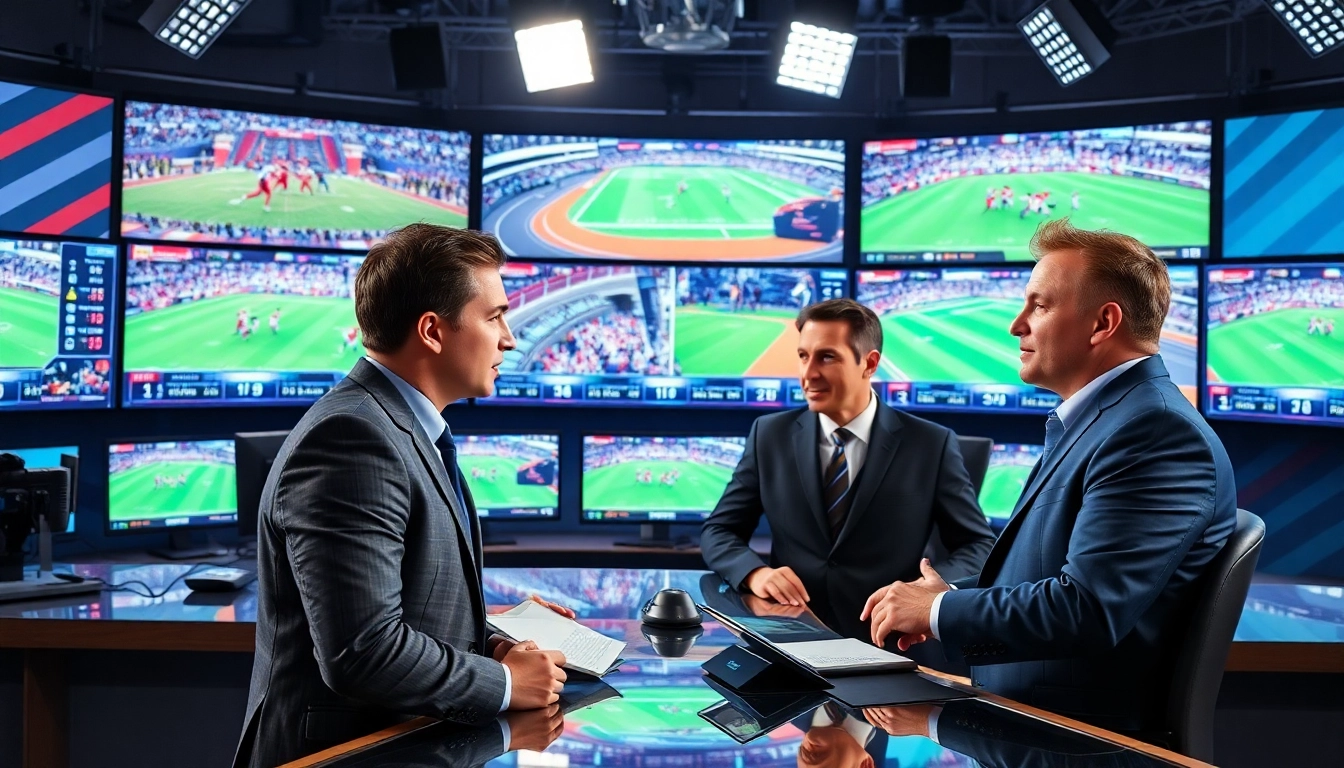
Introduction to Sports Broadcasting
Definition and Importance of Sports Broadcasting
Sports broadcasting is the practice of transmitting live sports events through various media platforms, including television, radio, and digital channels. This form of media plays a crucial role in the sports industry by connecting fans to their favorite events, providing play-by-play commentary, analysis, and interactive experiences that enhance viewer engagement. The growing popularity of sports broadcasting not only entertains audiences but also drives substantial economic value through advertising, sponsorship, and subscription revenue. With the rise of digital technology and streaming platforms, the reach and impact of Sports Broadcasting have expanded significantly, transforming how fans consume sports content.
Evolution of Sports Broadcasting Over Time
The history of sports broadcasting dates back to the early 20th century, with the first live audio broadcasts of sports events occurring in the 1920s. The debut of television in the 1930s marked a turning point, as it brought sports into living rooms across the nation, dramatically increasing their fanbase. Throughout the latter half of the 20th century, advancements in technology led to improved sound and picture quality, while the introduction of cable television expanded the number of available channels dedicated to sports coverage. The digital revolution in the 21st century further transformed sports broadcasting by ushering in online streaming, social media integration, and personalized content delivery, allowing fans to engage with their favorite teams and athletes like never before.
Key Players in Sports Broadcasting
The landscape of sports broadcasting is populated by various key players, including major television networks, radio stations, and emerging digital platforms. Networks such as ESPN, NBC Sports, and Fox Sports dominate traditional broadcasting, providing extensive coverage of major leagues and events. On the radio side, local stations offer play-by-play commentary and sports talk shows, enhancing community engagement. In recent years, streaming platforms like Amazon Prime, Hulu, and DAZN have entered the sports broadcasting arena, disrupting traditional models by offering live events with flexible viewing options. This diverse ecosystem of players not only fuels competition but also drives innovation in the delivery of sports content.
Technologies Shaping Sports Broadcasting
Emerging Technologies Impacting Sports Broadcasting
Emerging technologies are reshaping the landscape of sports broadcasting, leading to enhanced viewer experiences and innovative ways to consume content. Virtual reality (VR) and augmented reality (AR) technologies offer immersive experiences that allow fans to feel as though they are part of the event, whether they are viewing from home or a stadium seat. 4K and 8K resolution broadcasts provide crystal-clear images, making sports content more visually appealing. Furthermore, machine learning and data analytics are playing a crucial role in tailoring content to individual viewer preferences, enabling personalized viewing experiences that keep audiences engaged and loyal.
The Role of Streaming Services in Sports Broadcasting
Streaming services have transformed how sports broadcasting is consumed, offering viewers more flexibility and access than ever before. These platforms allow users to watch live games on demand, pause, rewind, and replay events, catering to the modern consumer’s desire for convenience. Major leagues are increasingly forming partnerships with streaming services to reach younger audiences who prefer mobile viewing over traditional cable subscriptions. As a result, streaming services are not just a supplementary method of consuming sports; they are becoming the primary channel for many fans, leading to a significant shift in advertising strategies and broadcasting rights.
Quality Control and Broadcast Standards
Quality control remains a critical aspect of sports broadcasting, ensuring that viewers receive the best possible experience. Broadcast standards encompass everything from audio clarity to the precision of camera angles and graphics. Organizations like the International Telecommunication Union (ITU) set guidelines and benchmarks for broadcasters to meet, influencing how sports events are captured and shared. Additionally, broadcasters are investing in training and technology to maintain high production values, as viewers have come to expect professional-grade presentations with seamless integration of live commentary, data visualizations, and real-time statistics. Quality control enhances viewer satisfaction, loyalty, and ultimately drives revenue growth.
Audience Engagement in Sports Broadcasting
Understanding Viewer Preferences
Understanding viewer preferences is crucial for engaging sports broadcasting audiences. Research shows that today’s sports fans are looking for more than just live footage of games; they desire interactive content, behind-the-scenes access, and personalized experiences. Factors such as age, geographical location, and the types of sports fans prefer significantly influence viewing habits. Surveys and analytics can provide invaluable insights into fans‘ favorite teams, the types of content they engage with, and their platforms of choice. By understanding these preferences, broadcasters can tailor content strategies to maximize engagement.
Strategies for Engaging Sports Broadcasting Audiences
To captivate audiences effectively, sports broadcasters must adopt strategic approaches that personalize and diversify content delivery. One effective strategy is leveraging social media to create conversations around games, events, and teams, enhancing community building among fans. Polls, live chats, and Q&A sessions create interactive experiences that engage viewers beyond traditional broadcasts. Additionally, offering unique storytelling elements—such as athlete profiles, personal narratives, and expert analyses—makes broadcasts more relatable and engaging. Special promotions, loyalty programs, and exclusive content access for dedicated fans can also foster a sense of belonging in an ever-competitive environment.
Impact of Social Media on Sports Broadcasting
Social media has dramatically changed the sports broadcasting landscape by providing new platforms for fan engagement and content distribution. Networks and leagues utilize platforms like Twitter, Instagram, and Facebook to share live updates, highlights, and behind-the-scenes content, encouraging immediate interaction and real-time discussions. This instant access to information allows fans to participate in live events and foster relationships with teams and athletes. The use of hashtags, user-generated content campaigns, and influencer partnerships are additional strategies that enhance visibility, broaden reach, and create memorable fan experiences.
Challenges in Sports Broadcasting
Regulatory and Legal Considerations
Sports broadcasting is fraught with regulatory and legal challenges that broadcasters must navigate carefully. Licensing agreements, broadcast rights, and intellectual property laws dictate how content can be shared and monetized, often creating complexities for networks and streaming services. Different regions may have varying regulations governing advertising, sponsorships, and data privacy, complicating international broadcasting efforts. Noncompliance can lead to hefty fines and legal ramifications, making it essential for broadcasters to stay informed about the evolving legal landscape and adapt their strategies accordingly.
Technological Challenges Facing Sports Broadcasting
As technology continues to evolve, sports broadcasters face several challenges. Rapid advancements can make existing infrastructure obsolete, necessitating frequent investments in new tools and equipment. Additionally, ensuring reliable delivery of high-quality streams during peak viewership times can strain resources and lead to service interruptions. The integration of new technologies, while enhancing viewer experience, also requires extensive training and adaptation efforts for broadcast staff. Balancing the adoption of innovative technology while maintaining consistency and quality presents an ongoing challenge for the industry.
Adapting to Changing Audience Behaviors
Audience behaviors are continually evolving, driven by technological advancements and changing preferences. Sports broadcasters must be agile and responsive, adjusting their content strategies in real-time to meet these shifts. Trends such as cord-cutting—where traditional cable subscriptions decrease as audiences turn to streaming solutions—demand that broadcasters adjust their distribution models. Further complicating this landscape is the growing preference for short-form content, as viewers increasingly seek quick highlights and summaries instead of full games. Understanding these behavior shifts is essential for developing effective content strategies that resonate with modern audiences.
Future Trends in Sports Broadcasting
Innovations Set to Transform Sports Broadcasting
The future of sports broadcasting promises exciting innovations that are set to redefine viewer experiences. Continued investments in virtual reality and augmented reality technologies will enable fans to engage with sports in entirely new ways. AI-driven analytics are enhancing personalization of content, suggesting games and features based on individual viewer behavior. Moreover, blockchain technology could revolutionize the way broadcasts are authenticated and secured, decreasing piracy and ensuring content integrity. These advancements, combined with a focus on sustainability in broadcasting practices, illustrate the growing integration of technology in delivering sports content.
Potential Disruptors in the Sports Broadcasting Space
As the landscape of sports broadcasting evolves, several potential disruptors could significantly impact the industry. The rise of decentralized media platforms is challenging traditional broadcasting models, enabling athletes and teams to share content directly with fans. Additionally, developments in artificial intelligence could streamline operations and enhance content delivery, posing a threat to traditional broadcasting jobs. Changes in consumer behavior, such as a preference for on-demand content over scheduled programming, could also disrupt established broadcasting practices. Broadcasters must remain adaptable to these changes to maintain audience loyalty and competitive advantage.
Predictions for the Future of Sports Broadcasting
Experts predict that the future of sports broadcasting will be characterized by greater interactivity, personalized content, and seamless integration of immersive technologies. As virtual and augmented reality become commonplace, viewers will enjoy experiences that allow them to explore events from multiple perspectives. Predictive analytics will help broadcasters understand viewer preferences more accurately, leading to tailored advertising and sponsorship opportunities. Furthermore, as eSports gain popularity, we may see a convergence of traditional broadcasting and gaming content, engaging a wider audience. The challenge will lie in maintaining the sports essence while catering to evolving consumer demands.
FAQs
What is Sports Broadcasting?
Sports broadcasting refers to the transmission of live sports events via television, radio, or digital platforms to engage audiences, providing commentary and analysis.
How has technology impacted Sports Broadcasting?
Technology has revolutionized Sports Broadcasting by introducing high-definition visuals, interactive features, and online streaming, enhancing viewer experiences.
What are the roles of commentators in Sports Broadcasting?
Commentators in Sports Broadcasting provide live analysis, insights, and commentary, enriching the audience’s understanding of the game while maintaining engagement.
What trends are shaping the future of Sports Broadcasting?
Future trends include increased use of virtual reality, personalized viewing experiences through AI, and the integration of social media for real-time fan engagement.
How do streaming services affect Sports Broadcasting?
Streaming services have expanded accessibility and flexibility in Sports Broadcasting, allowing viewers to watch events on-demand across devices, reshaping audience habits.